







Search Results for: local flavors

Is It Normal That You Can't Taste the Notes on the Coffee Flavor Wheel? Is Localization Necessary? Explained in One Article
Many people who are just getting into specialty coffee are often baffled by the flavors described on packaging or by baristas, and may even wonder whether they are simply not suited to drinking single-origin coffee. In fact, it is not at all unusual to be unable to taste specific flavors—the purpose of the SCA Flavor Wheel is to provide a reference range, not to require you to identify each item one by one. This article discusses the origins of the flavor wheel, the 2016 revised edition, localization attempts in Taiwan and Indonesia, and whether China needs its own local flavor wheel, helping coffee lovers set aside their anxiety and return to the simple pleasure of drinking coffee. [more…]
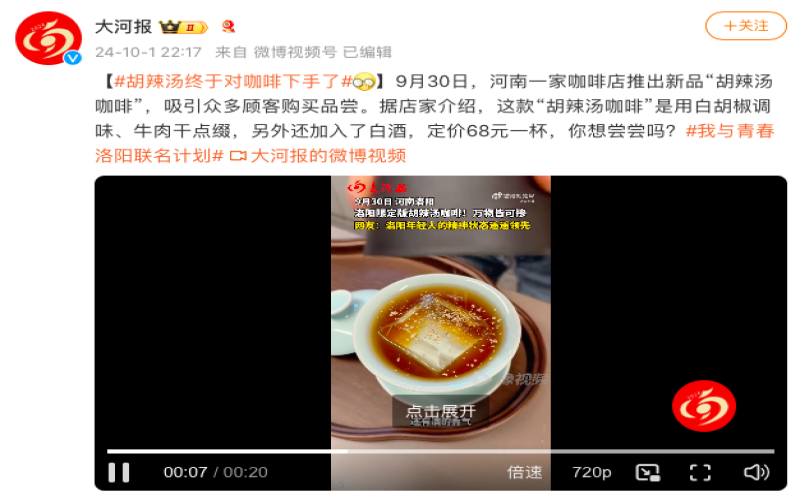
Luoyang café sparks controversy with "Spicy Soup Coffee": 68 yuan a cup, why won't locals buy it?
Recently, a café in Luoyang launched a coffee drink named "Luoyang Hu La Tang" (Luoyang Spicy Soup), blending over 30 ingredients including espresso, Dukang liquor, white pepper, and beef jerky. Priced at 68 yuan per cup, it has sparked heated discussion online. Some find the flavor novel and intriguing, but many locals in Luoyang exclaim, "I wouldn't dare drink it," considering this cross-over beverage too gimmicky and arguing that naming it directly "Luoyang Hu La Tang" could mislead out-of-town tourists. Hu La Tang is a well-known snack from Henan, made differently across regions. Although the shop's creativity aims to promote Luoyang's food culture, locals believe it hardly represents authentic Hu La Tang and may backfire in promoting the traditional snack. [more…]
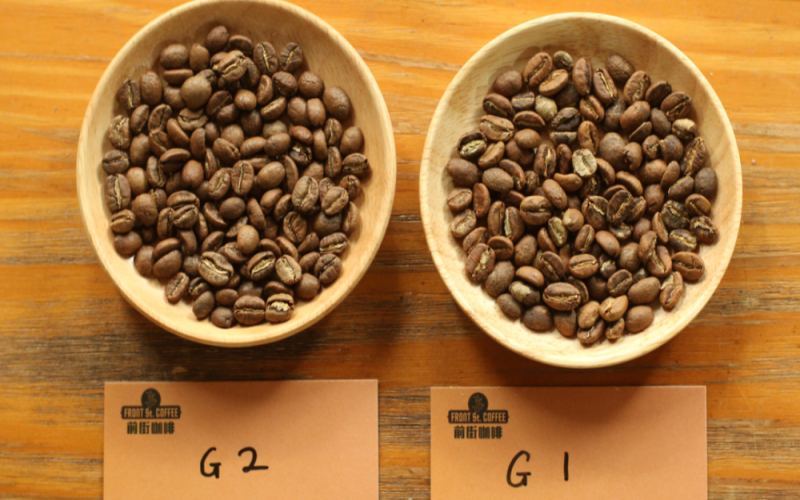
Decoding Yirgacheffe G1 and G2 Coffee Beans: Local Heirloom Grading, Washed and Natural Processing, and Flavor Differences
Ethiopian Yirgacheffe is a dazzling star in specialty coffee, but do you understand the logic behind its G1 and G2 grading? From the perspective of Front Street Coffee, this article takes you deep into Yirgacheffe's variety system and grading standards, and compares how the washed and natural processing methods shape two completely different flavor profiles. Whether you are a coffee enthusiast just starting out or a seasoned taster looking to refine your skills, you will find practical reference information here. [more…]
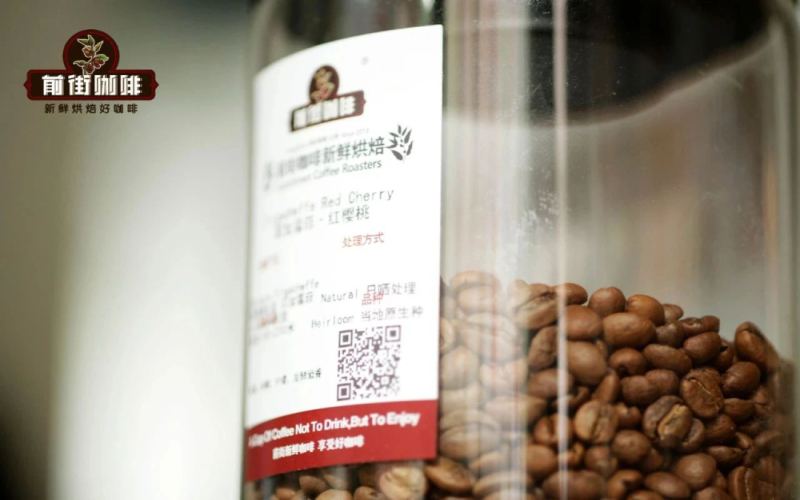
Landrace and Heirloom in Ethiopian Coffee Beans: What Exactly Is the Difference Between Native Species and Local Varieties?
When purchasing Ethiopian coffee, the terms "native species" or "heirloom" commonly seen on packaging are already familiar to many, but in the past two to three years, a new term, "landrace," has also begun to appear frequently. What exactly is the difference and connection between the two? This article, from the perspective of Front Street, sorts out the essence of heirloom mixed harvesting, the logic behind the formation of landrace local varieties, and, using the specific case of Front Street Kafa Forest coffee beans, explains the regional story behind variety labeling. At the same time, it will also clarify a common misconception: Kafa Forest and Panama Geisha are completely different things; the former emphasizes the terroir of the origin, rather than a specific variety. [more…]

Hangzhou West Lake Vinegar Fish Coffee Sparks Debate: Charcoal Latte Meets Apple Cider Vinegar—Local Flavor Innovation or Culinary Nightmare?
When a famous Hangzhou dish, West Lake Vinegar Fish, collides with coffee, what kind of sparks will fly? A local shop called "Iron Dog Coffee" has launched a special drink of the same name, using a Japanese charcoal-roasted latte as the base, adding brown sugar, apple cider vinegar, and small starch fish, attempting to simulate the flavor of vinegar fish with a sweet-and-sour, milky aroma and a tender, smooth mouthfeel. This drink, priced at 28 yuan, or 19.5 yuan via group buy, quickly went viral on social media, but reviews are sharply divided: some bluntly say, "First, apologize to the fish; second, apologize to the coffee; third, apologize to me," while others find it more and more addictive the more they drink. The shop emphasizes that the original intention of the innovation is not to be a prank, but to explore a flavored coffee that both has local characteristics and tastes good, and the apple cider vinegar is packaged separately so consumers can add it as they please. [more…]

From Clay Pots and Purple Clay to Double Boiling: How Chinese-Style Coffee Forges Its Own Path by Drawing on Local Vessels and Culinary Wisdom
While the milk tea world perfectly combines ritual and local ingredients with jar-brewed milk tea, the coffee world's "new Chinese style" frequently sparks controversy due to its bizarre pairings. In fact, China's rich cooking techniques and tea-brewing methods can absolutely serve as sources of inspiration for the localization of coffee—double-boiled coffee, purple clay pot steamed coffee, and Macau clay pot coffee. These attempts all use principles such as low-temperature slow extraction and even heating to give coffee a smoother, richer flavor. This article reviews the practices of these Chinese-style coffee schools, explores how innovation can stay rooted in the soul of coffee, and offers new ideas for the local expression of specialty coffee. [more…]

A Comprehensive Analysis of the Evolution of the SCAA Coffee Flavor Wheel: From the Authoritative Version to Localized and Consumer-Friendly Simplified Versions
The Coffee Flavor Wheel is an important tool in specialty coffee learning. From the first version published by the SCAA in 1995, to the updated version in 2016, to localized adaptations in Taiwan, Indonesia, and elsewhere, as well as simplified versions aimed at consumers, the flavor wheel has continually evolved. This article reviews the characteristics and limitations of each version, explores how to use the flavor wheel to taste and describe coffee more accurately, and examines how cultural differences influence flavor perception. [more…]
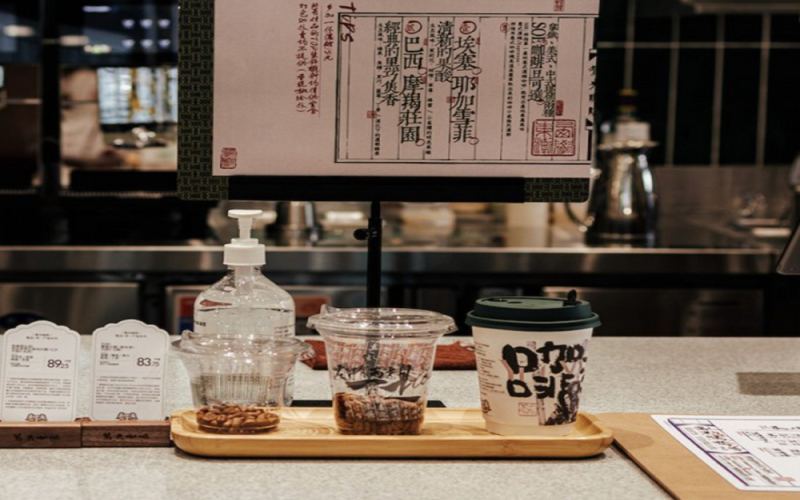
From Guochao Design to Local Flavors: How Chinese-Style Coffee Is Forging Its Own Path
In recent years, cafés featuring elements of traditional Chinese culture have been springing up one after another, and coffee, this imported product, is accelerating its path toward Sinicization. From new-style tea beverage brands跨界 opening coffee shops, to domestic local brands driving down prices to cultivate the market, to industry practitioners proposing that Chinese-style coffee should have its own mode of expression, this path is full of both opportunities and challenges. This article sorts out the evolution of coffee in China from the instant coffee era to the specialty coffee wave, and explores the current state and future of new Chinese-style coffee—innovation can attract the masses, but only professionalism, the cultivation of local bean varieties, and deep cultivation of the Yunnan production region can truly make Chinese-style coffee remembered by the world. At the end of the article, Front Street Coffee's communication channels are attached. [more…]
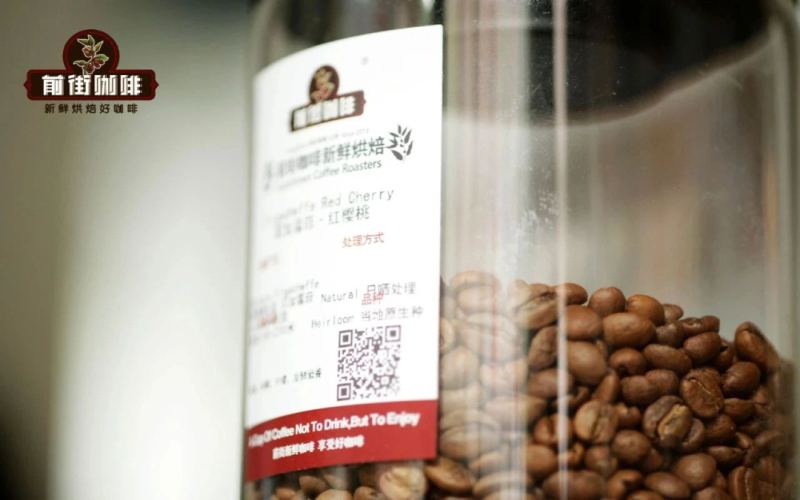
Heirloom and Landrace on Ethiopian Coffee Labels: How Exactly Do We Distinguish Native Varieties from Landraces?
Friends who frequently buy Ethiopian coffee beans are certainly familiar with the variety label "Heirloom," usually translated into Chinese as "native species" or "heirloom." But in the past two or three years, another term has quietly appeared on the packaging of some Ethiopian beans—"Landrace." What exactly is the relationship between it and Heirloom? Are they different names for the same thing, or two completely different concepts? In this article, Front Street will take a careful look at the origins and evolution of Landrace local varieties, starting from Ethiopia's garden planting system, sorting out the mixed-harvest nature of Heirloom, then moving on to JARC's work in identifying local varieties, and why more and more international green bean merchants have begun to purchase these varieties with distinctive regional characteristics separately. At the end, we also include information on the Kaffa Forest lot currently sold by Front Street for everyone's reference and comparison. [more…]
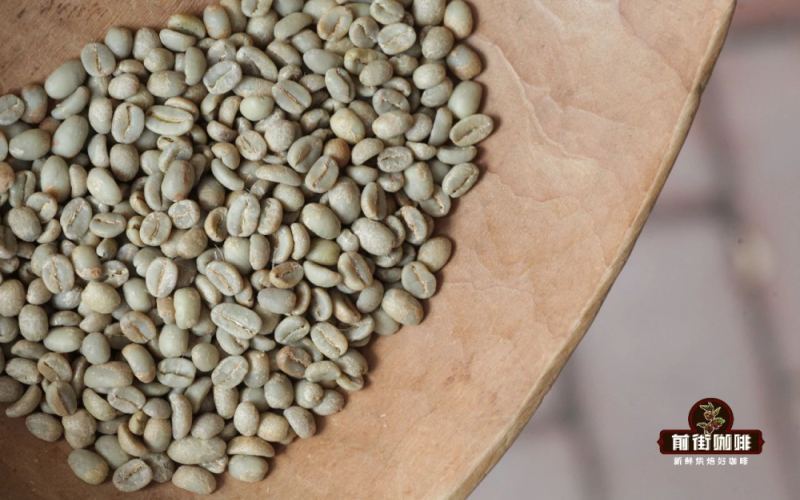
Ethiopian Heirloom Coffee Beans Explained: Differences from Landrace Varieties and Grading Standards
Ethiopia, as the birthplace of coffee, boasts an astonishing variety of cultivars, with nearly 2,000 varieties recorded to date, of which 1,927 are native varieties. Ethiopian coffee beans commonly found on the market are mostly labeled as Heirloom native varieties, but in recent years Landrace local varieties and numbered varieties have gradually gained popularity. In this article, Front Street Coffee will systematically sort out the definition, classification, and identification challenges of Heirloom native varieties, analyze the origins of Landrace and numbered varieties, and introduce in detail Ethiopia's coffee bean grading standards. Finally, it recommends a number of Front Street selected Ethiopian native varieties, covering well-known products such as Gedeb, Red Cherry, Woka, Aricha, and Huakui 5.0, with roasting and brewing data shared as well. [more…]

A New Cross-Industry Coffee Trend in Local Cuisine: Ningbo "Choking Crab" Latte Sparks Heated Discussion, Crab Shell as Cup Wins Recognition from Some Netizens
The world of creative coffee is always full of surprises and shocks. From Douzhir Americano to stinky tofu latte, baristas are obsessed with forcibly pairing local foods with coffee, yet often creating off-putting flavor bombs. Now the trend has shifted: instead of mixing ingredients, they let the food itself become the vessel. Green pepper latte, fish ball latte, and naan latte have appeared one after another. Recently, a barista in Ningbo even used a crab shell as a cup, launching Ningbo Drunken Crab Latte. Netizens reacted in two polarized ways: some cried out to spare the drunken crab, while others said they would be willing to try it as long as food isn't wasted. Is this exploration of the boundary between food and coffee gimmickry or innovation? [more…]
An Analysis of Ethiopian Heirloom and Landrace Coffee Varieties: Native Species Characteristics and the Evolution of Their Naming
When you look at the origin information on a bag of Ethiopian coffee beans, the variety field often says "Heirloom." What exactly does this mean? It is actually a collective term for Ethiopia's local heritage varieties, and it is estimated that there are tens of thousands of native coffees in the region that have not yet been formally identified. This article will systematically sort out the differences between Heirloom and Landrace, from the meaning of the terms, classification, and flavor expression to naming trends, and also introduce the meaning of the numbering of JARC-bred varieties. The article also combines several beans from Front Street Coffee to explain the reasons why Ethiopian beans vary in size and why their flavors change from year to year, helping you gain a more comprehensive understanding of the variety diversity of this birthplace of coffee. [more…]
Cold Reflection Amid the Coffee Localization Craze: Can New Chinese-Style Coffee Truly Win the Hearts of Chinese Consumers?
In recent years, "new Chinese style" has become a hot topic in the food and beverage industry, and coffee is no exception. From coffee served in lidded bowls to collaborations with Chinese-style breakfasts and traditional medicinal herbs, a growing number of coffee professionals are trying to blend coffee with elements of traditional Chinese culture. This localization strategy has indeed opened up a new niche in the coffee market, drawing a great deal of attention on the back of the "national trend" wave. Yet when coffee is draped in a gorgeous Chinese-style exterior, what do people actually remember—the coffee itself, or the exquisite packaging and settings? This article takes an in-depth look at the current state of new Chinese-style coffee and its hidden concerns, reflects on whether the development of coffee culture in China has truly touched the essence, and calls for more professional attention and dedication to coffee itself. [more…]
Kenya AA Coffee and Local Specialty Brands Roundup: Dorman Estate and Front Street Recommendations
Kenya AA produced in Kenya is renowned for its bright fruit acidity, uniform bean size, and rich layered mouthfeel, making it a highly favored choice among single-origin coffees. This article focuses on Front Street Kenya coffee, answering why Kenyan local brands are rarely seen in mainstream channels, and systematically reviews four noteworthy Kenyan specialty coffee brands: JAVA HOUSE, DORMANS (Berman Estate), SAFARI LOUNGE, and Out of Africa. The content covers each brand's historical background, product positioning, flavor characteristics, and market layout, suitable for enthusiasts who want to gain a deeper understanding of Kenya's coffee landscape. [more…]
An In-Depth Look at Yirgacheffe Coffee Beans: Origin Story, Variety Characteristics, Processing Methods, and Flavor Differences Fully Explained
Yirgacheffe is the starting point for many coffee lovers stepping into the world of specialty coffee. That bright, citrus-like acidity and delicate white floral aroma are enough to overturn people's conventional understanding of coffee. This article will take you through a comprehensive look at Yirgacheffe's origin story, variety characteristics, and flavor code: from how it became independent from the Sidama region, to the origins of the local native variety HEIRLOOM, and then to the flavor differences brought by the two processing methods, natural and washed. At the same time, drawing on bean list examples from Front Street Coffee, it includes suggested brewing parameters for a medium-light roast Yirgacheffe to help you understand this classic African coffee more systematically. [more…]
A Cultural Examination Amid the Wave of Coffee Localization: The Dual Variation of Innovative Vitality and Root Deficiency
In recent years, the shift in consumption attitudes among China's younger generation and the blending of global food cultures have quietly changed coffee's status in the country. Chain brands have brought coffee from a light luxury into daily life, specialty coffee culture has rapidly spread with the help of local forces, and Yunnan coffee beans have moved from obscurity to popularity. What followed is a trend of coffee's "Sinicization"—from stewing and extraction to serving in tea bowls, from youtiao and jianbing to rice wine and Moutai, coffee is putting on a Chinese-style coat. Yet is this localization a school worth passing down, or a fleeting trend lacking roots and soul? This article will explore the innovative surface and inner deficiencies of Chinese-style coffee, and consider how coffee culture can truly take root in China. [more…]

HEYTEA City-Exclusive Food and Tea Crossover Roundup: Localized Innovation from Coconut Chicken Hot Pot to Sichuan Spicy Fairy Dew
In recent years, Heytea has continuously pushed the boundaries of tea drinks, from cross-brand collaborations to incorporating each city's signature foods into beverages and baked goods, launching a series of unexpectedly creative limited-edition products. Shenzhen's coconut chicken hot pot, Guangzhou's rice roll cake, Changsha's mini clay pot bubble rice wine, Chengdu's Sichuan spicy fairy dew… each one precisely captures the taste memories of local people. These products are not only wildly imaginative but also build emotional resonance by awakening shared city memories. This article will comprehensively review the limited-edition items Heytea has launched in various cities and explore the communication logic and secrets behind its "neglecting its proper business." [more…]
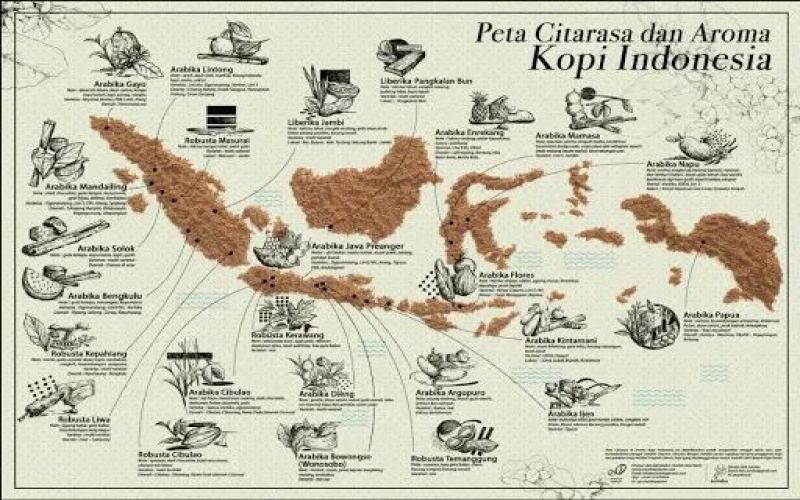
A Complete Analysis of Indonesian Coffee Varieties: Flavor Characteristics and Regional Distribution of Typica, Robusta, Catimor, and More
Indonesia is an important coffee-producing region globally, but its complex cultivation history and mixed varieties often confuse coffee enthusiasts. This article systematically sorts out Indonesia's main coffee varieties, including the long-established Typica, the highly disease-resistant Robusta, as well as localized Catimor and Jember, and provides detailed introductions to the flavor characteristics and main producing regions of each variety. At the same time, the article also retains related product recommendations from Front Street Coffee, such as Lintong Mandheling, Golden Mandheling, and West Java Arimani Estate beans, helping readers gain a more comprehensive understanding of the diversity of Indonesian coffee. [more…]
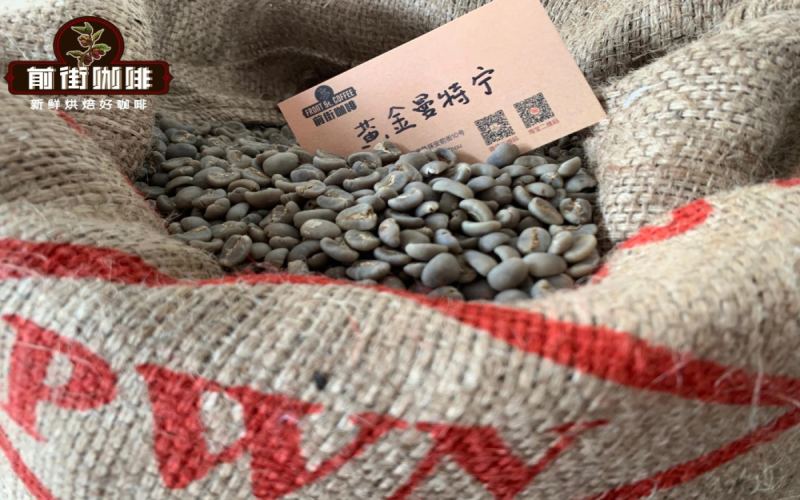
Introduction to Indonesian Mandheling Varieties | Is There a Big Difference Between PWN Golden Mandheling and Lintong Mandheling? How to Describe the Flavor and Mouthfeel Characteristics of Mandheling Coffee Beans
Mandheling coffee is considered the fullest-bodied coffee in the world. Its acidity is relatively low, and it should be said to belong to the type of relatively mellow coffee. Its rich aroma is its characteristic. If you want to taste Mandheling coffee, Golden Mandheling is a wise choice. So what are the flavor characteristics of Mandheling and Golden Mandheling? Man [more…]
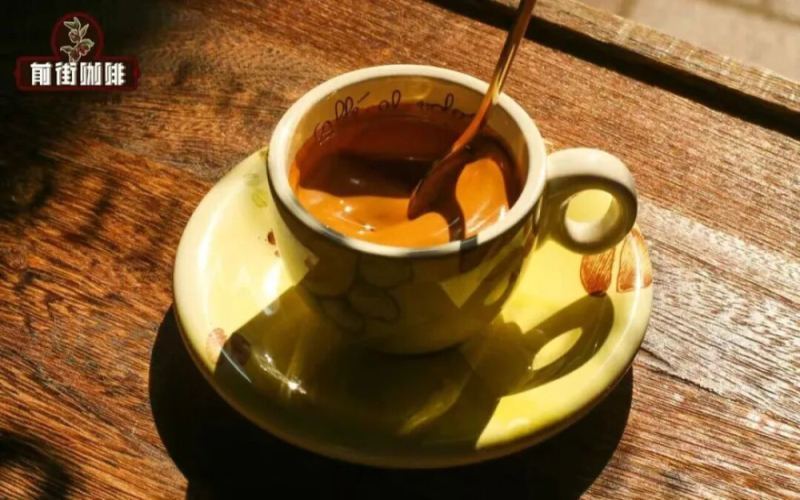
Why Don't Italians Drink Cappuccino in the Afternoon? Coffee Bean Selection and Extraction Tips for Making a Rich, Aromatic Cappuccino
Cappuccino is a milk coffee that many coffee lovers enjoy daily, but in Italy, this drink carries an unwritten rule—ordering it in the afternoon may draw sideways glances. Why do Italians regard cappuccino as a "breakfast drink"? What are the local customs regarding its thick milk foam, intense espresso flavor, and filling the cup to 11 points? What coffee beans should be chosen to make an authentic cappuccino? From the perspective of Front Street, this article traces the origins of Italian coffee customs, analyzes the flavor characteristics and extraction parameters of cappuccino, and recommends Front Street's classic espresso blend coffee beans, guiding you to understand the cultural logic and brewing details behind this milk coffee. [more…]